As part of the National Child Traumatic Stress Network (NCTSN), the Learning Center for Child and Adolescent Trauma offers Free Online Education with:
- 300+ FREE CE certificates
- 50+ speakers
- 200+ online webinars
- 90,000+ members

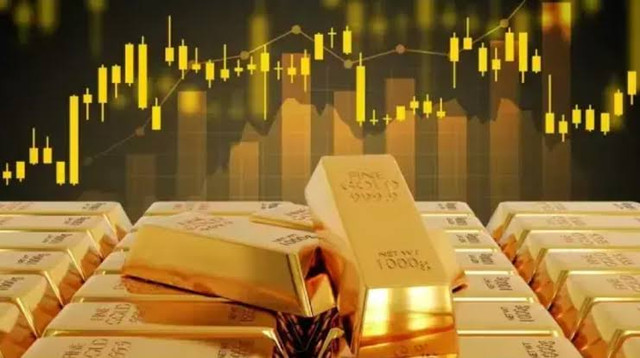
Gold has captivated human trade and culture for millennia. Beyond its appeal as fine jewelry, the precious yellow metal functions as a reliable store of wealth, a currency hedge, and a cornerstone of global central bank reserves. Whether you are planning to purchase family heirloom jewelry, diversify your investment portfolio, or simply track market movements, staying informed about the Gold Rate Today is crucial for making smart financial moves.
Gold prices do not remain static; they fluctuate continuously based on dynamic economic shifts across local and international markets. Understanding why these fluctuations occur and how to interpret daily price shifts allows investors and buyers to make well-timed decisions.
Tracking daily precious metal movements requires looking at the broader macroeconomic picture. Several key drivers explain why price points move on any given trading day:
Gold traditionally serves as one of the most effective hedges against inflation. When fiat currencies lose purchasing power due to rising cost-of-living metrics, tangible assets retain intrinsic value. Investors frequently shift capital into physical gold and gold-backed instruments during inflationary cycles to preserve capital, driving up demand and elevating daily rates.
Monetary policy decisions from major central banks, particularly the Federal Reserve, exert immense pressure on gold valuation. Because physical gold does not yield interest payments or dividends, holding it carries an opportunity cost when interest rates are high. Conversely, when central banks lower interest rates or signal monetary easing, holding cash becomes less attractive, prompting capital shifts toward bullion and fueling upward price movements.
Global economic stability directly influences precious metal trading. During periods of geopolitical conflict, supply chain disruptions, or global equity market downturns, institutional and retail investors flock to safe-haven assets. This surge in risk-averse buying often creates sharp upward spikes in daily market pricing.
While spot gold prices operate on global exchanges, local rates are adjusted for domestic currencies, import tariffs, regional supply chain logistics, and local sales taxes. Currency fluctuations against the US dollar directly dictate domestic retail costs.
When reviewing Gold Rate Today, you will notice distinct pricing tiers based on purity ratings, measured in karats (K). Selecting the right purity level depends on whether your priority is structural durability or pure investment value:
24 Karat (99.9% Pure): Represents gold in its purest commercially available form. Because it is naturally soft and malleable, 24K gold is primarily traded as investment bars, coins, and bullion rather than complex daily-wear jewelry. It commands the highest market rate.
22 Karat (91.6% Pure): Features 22 parts gold blended with 2 parts alloy metals such as copper, silver, or zinc. This combination provides structural strength while preserving rich color, making 22K the standard choice for fine jewelry and traditional wedding ornaments.
18 Karat (75.0% Pure): Consists of 75% gold and 25% alloy metals. 18K gold offers enhanced durability and scratch resistance, making it ideal for daily gemstone settings, modern rings, and luxury watches.
Monitoring daily pricing trends is only the first step. Implementing clear strategies ensures maximum value when entering the market:
The raw spot price represents wholesale gold traded on global markets without manufacturing, labor, or retail overhead. Retail purchases—such as jewelry, mint coins, or small bars—carry additional making charges, dealer margins, and local taxes. Always clarify making charges separately before completing a transaction.
Physical bullion is not the only option for exposure to gold. Modern investors often balance physical holdings (bars and coins) with paper gold, such as Gold Exchange-Traded Funds (ETFs), sovereign gold bonds, or gold mining equities. Paper gold eliminates physical storage fees and security concerns while offering high liquidity for quick trading.
Trying to time absolute market bottoms is notoriously difficult. Instead of allocating capital in a single lump-sum purchase, consider dollar-cost averaging—buying smaller, consistent amounts at regular intervals. This strategy spreads acquisition costs across market highs and lows, reducing the risk of buying right before a price pullback.
Understanding the factors influencing Gold Rate Today empowers buyers and investors to navigate financial markets with confidence. From shifting interest rate policies and currency movements to geopolitical headwinds, daily rates reflect real-time global economic sentiment. By recognizing the differences between gold purity grades, tracking live spot prices against retail making charges, and diversifying across physical and financial instruments, you can protect your purchasing power and build a resilient wealth portfolio over the long term.