As part of the National Child Traumatic Stress Network (NCTSN), the Learning Center for Child and Adolescent Trauma offers Free Online Education with:
- 300+ FREE CE certificates
- 50+ speakers
- 200+ online webinars
- 90,000+ members

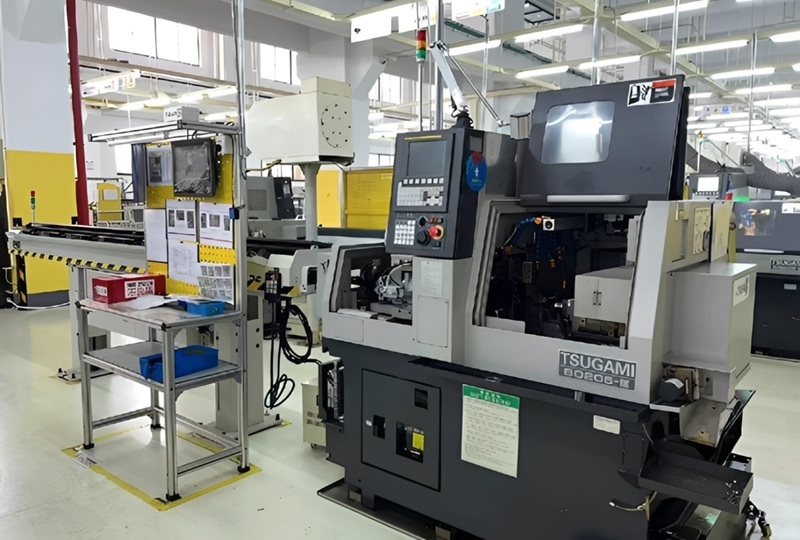
In the modern manufacturing landscape, the demand for high-quality components doesn't always come in batches of thousands. Many innovators, engineers, and startups require smaller quantities to test designs or meet niche market demands. This is where low volume cnc machining becomes the bridge between a digital concept and a physical reality. Choosing a specialized partner for these projects ensures that even small production runs receive the same level of technical scrutiny and precision as mass production.
Traditional manufacturing often relies on economy of scale, which can leave smaller projects priced out or deprioritized. However, small batch machining offers a level of flexibility that large-scale production cannot match. It allows for rapid iterations, meaning a design can be tested, refined, and remachined without the massive overhead of permanent tooling or molds. This agility is essential for industries like medical technology, aerospace, and high-end automotive sectors where accuracy is non-negotiable and designs evolve quickly.
To provide a complete manufacturing solution, a facility must offer a diverse range of capabilities. Precision is the cornerstone of these services, ensuring that every cut and drill meets exact specifications.
Complex geometries require advanced equipment. With 5-axis CNC machining, parts that would normally require multiple setups can be completed in a single process. This reduces the margin of error and ensures superior surface finishes on intricate components. For cylindrical parts, CNC turning provides the speed and accuracy needed for everything from simple shafts to complex internal threading.
While subtractive machining is ideal for durability and material variety, 3D printing serves as a vital companion service. It is often used for rapid prototyping or creating lightweight components that are difficult to achieve through traditional cutting methods. By integrating both machining and printing, a manufacturer can support a product from its earliest conceptual stage through to the final functional part.
The difference between a standard part and an exceptional one lies in the details of the process. Quality control and material expertise are what define a top-tier service provider.
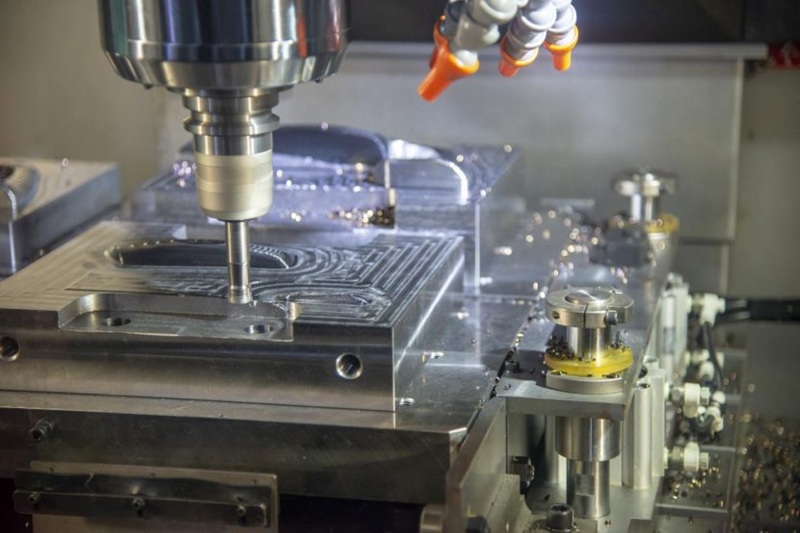
Selecting a manufacturing partner is about more than just buying a part; it is about securing a reliable supply chain. A dedicated facility focuses on high quality precision parts while maintaining the speed required for modern development cycles. By specializing in diverse methods like CNC milling and turning, a provider can act as a one-stop shop for all mechanical requirements. This eliminates the need to coordinate between multiple vendors and ensures consistency across a project.
The evolution of manufacturing has made it easier than ever to bring specialized designs to life without the burden of high volume requirements. Through the clever application of CNC technology and additive manufacturing, businesses can achieve incredible precision at a lower price point. By focusing on quality, versatility, and customer-specific needs, a professional machining service provides the essential tools for innovation and industrial success.